
Inflatables
Hot Weather Inflatable Operations: Surface Temperature, Misting & Heat-Index Cutoffs
PVC Surface Temperature Is the Hazard Weather Apps Don't Show You
An air temperature reading doesn't tell you what actually matters for inflatable safety: dark-colored vinyl surfaces sitting in direct summer sun regularly run 30-50°F hotter than ambient air temperature, which means a "comfortable" 85°F day can put a black or dark-colored bounce house floor in a range that causes real skin contact burns, particularly for young children with bare feet or hands. This guide covers the operational cutoffs and mitigation steps that protect both riders and your liability exposure — heat-related incidents are a real and under-discussed risk category alongside the wind and structural failures covered in our general safety compliance guide.
Why Surface Color and Material Matter More Than Air Temperature
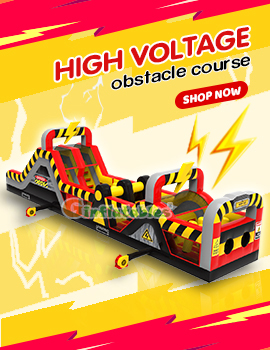
Dark colors (black, navy, dark red) absorb significantly more solar radiation than light colors (white, yellow, light blue), which is why two units sitting side by side in identical conditions can have meaningfully different surface temperatures based purely on color. Vinyl surfaces heat faster and hold heat longer than the surrounding ground and air, and interior surfaces (walls, not just the floor) can also reach uncomfortable or unsafe temperatures on units with a fully-enclosed design and limited airflow. When sourcing units for hot-climate markets, prioritize lighter color schemes and designs with better ventilation, not just capacity and visual appeal.
Setting a Heat-Index Cutoff, Not Just a Temperature Cutoff
Air temperature alone underestimates real heat stress — humidity matters as much as raw temperature, which is why heat index (the "feels like" combined measure) is the more relevant number for an operating cutoff than temperature alone. A practical operating policy sets a heat-index threshold (many commercial operators in the U.S. South and Southwest use somewhere in the 100-105°F heat index range as a hard stop, though the right number for your market depends on local climate norms and your liability tolerance) above which units either get shut down, moved to shade, or supplemented with cooling measures.
Surface Temperature Testing: The Simple Check That Prevents Burns
An infrared surface thermometer (inexpensive and widely available) lets delivery crews check actual surface temperature at setup and periodically through a hot-weather event, rather than relying on air temperature or gut feel. As a practical reference point, surfaces above roughly 140°F can cause skin damage within seconds of contact — well within range for a dark vinyl surface on a hot, sunny day. Building a quick surface check into your setup routine, especially for units in full sun, catches the specific hazard that air temperature alone misses.
Misting and Shade: Mitigation Options That Actually Help
Where climate and venue allow, shade structures over or adjacent to the unit meaningfully reduce surface temperature buildup, and misting systems (either a dedicated misting tent and cooling station setup or simple perimeter misting) cool both the surface and the ambient air riders experience. Positioning units to catch available shade during peak sun hours, when the site allows it, is a free mitigation that costs nothing but site-selection attention at setup time — it's worth factoring into where you place the unit, not just whether the space is large enough.
Hydration, Rest Breaks, and Rider Supervision in Heat
Heat safety isn't only about surface contact — extended active play in high heat and humidity raises real heat-exhaustion risk for riders, especially younger children who may not self-regulate their exertion or recognize early heat-stress symptoms. Build mandatory rest/water breaks into supervision protocols for hot-weather events (a timed rotation, for instance, rather than continuous unsupervised access), and train attendants to recognize early heat-stress signs (flushed skin, dizziness, excessive fatigue) as a reason to pull a rider out immediately, not just a note to watch.
Building This Into Your Operating Policy
A complete hot-weather policy needs four elements: a heat-index cutoff that triggers shutdown or mitigation, surface-temperature spot checks at setup and periodically through the event, shade/misting mitigation where the site allows it, and supervision protocols with mandatory rest breaks. Document this policy the same way you document wind-speed cutoffs in your general safety protocols — both protect riders and both matter for the liability documentation that shows reasonable care if an incident is ever reviewed.
Hard Surfaces Compound the Heat Problem
Units set up on asphalt or concrete face a compounding heat issue beyond the unit's own surface temperature — our guide to setting up on concrete and hard surfaces covers the anchoring differences, but hard surfaces also radiate absorbed heat back up into the unit from below, making an already-hot surface day worse. Where the booking allows a choice between grass and asphalt, grass runs meaningfully cooler underneath the unit on a hot day, and that's worth factoring into site selection alongside the anchoring considerations that usually drive the grass-versus-hard-surface decision.
Browse our commercial inflatable bouncers catalog for lighter-color and better-ventilated options suited to hot-climate markets.
Operating in a Hot-Climate Market?
Ginflatables builds commercial-grade inflatables in lighter color options and ventilated designs suited to high-heat markets.