

Water World inflatable systems for commercial operators, waterfront venues, and rental businesses
Our Water World category brings together multi-attraction inflatable water setups designed for both land-based and open-water deployment. From poolside splash parks to floating lake systems, these units combine slides, trampolines, climbing features, and splash zones into complete water entertainment packages built for commercial revenue.
Land-Based Water Park Systems
Unlike standalone water slides or individual splash units, a complete Water World setup combines three or more water play elements into one connected structure or coordinated setup. Typical configurations include:
- Slide + splash pool + climbing wall - the most popular rental configuration
- Multi-lane slide + obstacle run + splash zone - built for competitive events and festivals
- Toddler-friendly water play area + separate older-kid slide section - covers all ages in one footprint
Floating Water Parks for Lakes and Open Water
Floating inflatable water parks have become one of the fastest-growing segments in commercial water recreation. These systems anchor in lakes, reservoirs, and protected coastal waters to create offshore attraction zones that draw paying visitors all summer. Floating parks combine water trampolines, climbing towers, slide platforms, and connecting walkways into a single interconnected playground on the water surface. For operators near lakes and open water, commercial lake float platforms serve as the foundation for building out a floating attraction.
All floating units use reinforced drop-stitch construction and sealed air chambers for buoyancy stability. Commercial-grade D-ring anchoring systems keep the park positioned safely, even in moderate current and wave conditions. Units are available in modular sections so you can start with a core setup and expand as demand grows.
Water Trampolines and Bounce Platforms
Water trampolines are anchor attractions for lakefront resorts, summer camps, and waterfront rental operations. These floating platforms combine a trampoline jumping surface with climbing ladders and slide attachments, creating a self-contained activity station. Commercial water trampolines range from 10ft recreational models to 25ft+ units with integrated blob launchers and dock slides and boat slides that connect directly to docks or floating platforms. For a full comparison of commercial water trampoline models and add-on configurations, see our water trampoline buying guide.
Floating Water Slides and Water Mats
Two of the fastest-growing product types in the Water World category are floating slides and water mats - both designed for open-water deployment and both generating strong per-guest revenue at lakefront and resort operations.
Floating water slides anchor to docks, pontoons, or freestanding platforms and launch riders directly into the water. They require minimal infrastructure - an anchor system, adequate water depth (8ft+ at the landing zone), and a stable mounting surface. Commercial floating slides in the 10-20ft height range are the sweet spot for most lake operations: tall enough to create a thrill, manageable enough for a two-person crew to deploy and retrieve. Our floating slide for lake guide covers installation requirements, anchoring methods, and ROI benchmarks for waterfront operators.
Water mats are large-format floating pads (typically 10-18ft long) that sit on the water surface and support multiple users standing, sitting, or lounging. They serve as social gathering platforms, rest stations between water activities, and standalone rental items. Water mats are among the highest-margin items in any waterfront fleet because they require zero blower power, zero anchoring infrastructure, and almost zero maintenance. For rental pricing frameworks and fleet-sizing advice, see our water mat rental guide.
Both product types integrate naturally with existing Water World floating parks. A typical lakefront operation pairs water trampolines with floating slides and water mats to create a complete offshore attraction zone - the trampolines provide active play, the slides add a thrill element, and the mats offer passive recovery space. Read our floating trampoline commercial guide for integration strategies.
Splash Zones and Spray Features
Ground-level splash zones and spray features add zero-depth water play to any Water World setup. These are especially valuable for venues serving younger children or mixed-age groups where deep water isn't appropriate. Spray arches, dump buckets, water cannons, and misting tunnels create interactive play without requiring pool infrastructure. Splash zone components connect to standard garden hose fittings and can be arranged in custom layouts to fit your available space.
Dock Equipment and Waterfront Accessories
Dock-mounted inflatables - including slides, climbing walls, and launching platforms - turn any commercial dock or marina pier into a water recreation zone. These units clamp or strap directly to existing dock structures without permanent modification. Dock slides are popular at lakefront resorts, yacht clubs, and waterfront rental operations because they require minimal setup and create immediate visual impact that attracts walk-up customers. Explore the full range of giant inflatable lake floats for multi-person floating platforms that anchor offshore as standalone attractions or connect to dock systems.
Commercial Applications
Summer camps and resorts. A portable inflatable water park transforms any flat grassy area or waterfront into a water attraction. Setup takes 2-4 hours with a small crew, and teardown is equally fast - no construction permits, no permanent modifications to the site.
Event rentals. Festival organizers and municipal recreation departments rent complete water park setups for community events, holiday celebrations, and corporate summer outings. Multi-attraction units justify premium rental rates because they replace 3-4 separate rentals with one delivery.
Commercial entertainment venues. Seasonal water park operators use inflatable systems to expand capacity during peak months without capital-intensive permanent water features.
Construction and Safety Standards
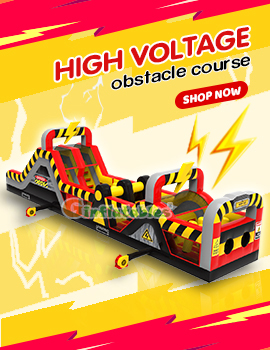
All Water World units use 18oz+ commercial-grade PVC with heat-welded seams and reinforced anchor points. Integrated spray systems connect to standard garden hoses or commercial water feeds. Drainage is built into every splash pool and landing zone to prevent standing water buildup. Add a water obstacle course to create competitive race elements within your water park layout.
For individual water slide units or simpler setups, browse our slip and slides or complete water parks categories. Need help sizing a water park package for your venue? Request a custom quote with your site dimensions and expected attendance.
Frequently Asked Questions
What is the difference between Water World and complete water park inflatables?
Complete water parks are land-based multi-attraction systems designed for setup on grass or concrete - they include slides, splash pools, and obstacle elements connected by water flow. Water World covers a broader range including floating water parks for lakes, water trampolines, dock-mounted equipment, and open-water attractions. If you operate at a waterfront location, Water World products give you both land and water deployment options.
Can inflatable water parks be used on lakes?
Yes. Floating inflatable water parks are specifically engineered for lake, reservoir, and protected coastal deployment. They use sealed drop-stitch air chambers for buoyancy, commercial anchor systems to maintain position, and reinforced connection points between modules. Most floating parks require a minimum water depth of 8-10 feet beneath the structures for safe jumping and sliding. Always check local waterway regulations and obtain necessary permits before deploying floating equipment.
How deep does the water need to be for floating inflatables?
Minimum recommended depth is 8-10 feet directly beneath floating structures like water trampolines and slide landing zones. This provides safe clearance for users jumping or falling into the water. Connecting walkways and climbing platforms can operate in shallower water (5-6 feet minimum). Always conduct a depth survey of your deployment area and mark any shallow spots or underwater obstacles before anchoring your floating park system.
Building a Water Inflatables Fleet
A single water trampoline or floating slide generates revenue, but a complete water inflatables fleet transforms a waterfront venue into a destination. The fleet-building approach starts with anchor pieces - water trampolines and floating obstacle courses that draw guests in - then layers on connectable accessories like climbing walls, slides, and lounging platforms that increase per-guest spending and extend session times.
Smart fleet composition follows the 40/30/30 rule: 40% of your investment in high-capacity anchor units, 30% in mid-price action accessories, and 30% in low-cost comfort pieces like floating mats and lounge platforms. This mix ensures something for every age group and energy level, which matters because groups rarely consist entirely of thrill-seekers. The family that books together stays longer when everyone has something to do on the water.
ROI improves as the fleet grows because operational costs (staff, insurance, site fees) stay relatively flat while ticket revenue scales with capacity. Most operators break even on a starter fleet within their first full season. For a step-by-step framework on selecting, sizing, and scaling a water inflatables fleet, read our complete guide to building a water inflatables rental fleet.
Backyard Water Park Packages: Multi-Unit Summer Bundles
A backyard water park combines two to three portable water inflatables - typically a water slide centerpiece, a slip-and-slide run, and a splash zone - into a complete aquatic play experience that fits in a standard suburban yard. For rental operators, packaging these units together as a "backyard water park experience" justifies premium pricing and increases average revenue per booking by 30-40% compared to single-unit rentals.
Medium yards (40×60 ft) accommodate the full three-unit setup with proper safety clearance. Water logistics require planning - a three-unit setup uses 400-600 gallons per hour and needs at least two separate electrical circuits for the blowers. For equipment selection by yard size, water supply planning, tiered pricing strategy, and seasonal marketing timing, see our backyard water park setup guide.