
Inflatables
PVC vs Oxford Cloth: Which Material Is Better for Commercial Inflatables?
Why Material Choice Matters for Your Rental Business
Every commercial inflatable you buy is a revenue-generating asset. A single bounce house can bring in $200–$400 per weekend rental. Over a 3–5 year lifespan, that is $30,000 or more in gross revenue from one unit.
The material that unit is made from directly determines how long it lasts, how much you spend on repairs, and how many rental cycles it can handle before replacement. Get the material wrong, and you are replacing units years too early. Get it right, and your per-rental cost drops with every booking.
Two materials dominate commercial inflatable manufacturing: PVC vinyl and Oxford cloth (nylon). Both are used across bounce houses, water slides, and combo units. But they perform very differently depending on your use case, climate, and business model.
PVC Vinyl: What It Is and Where It Excels
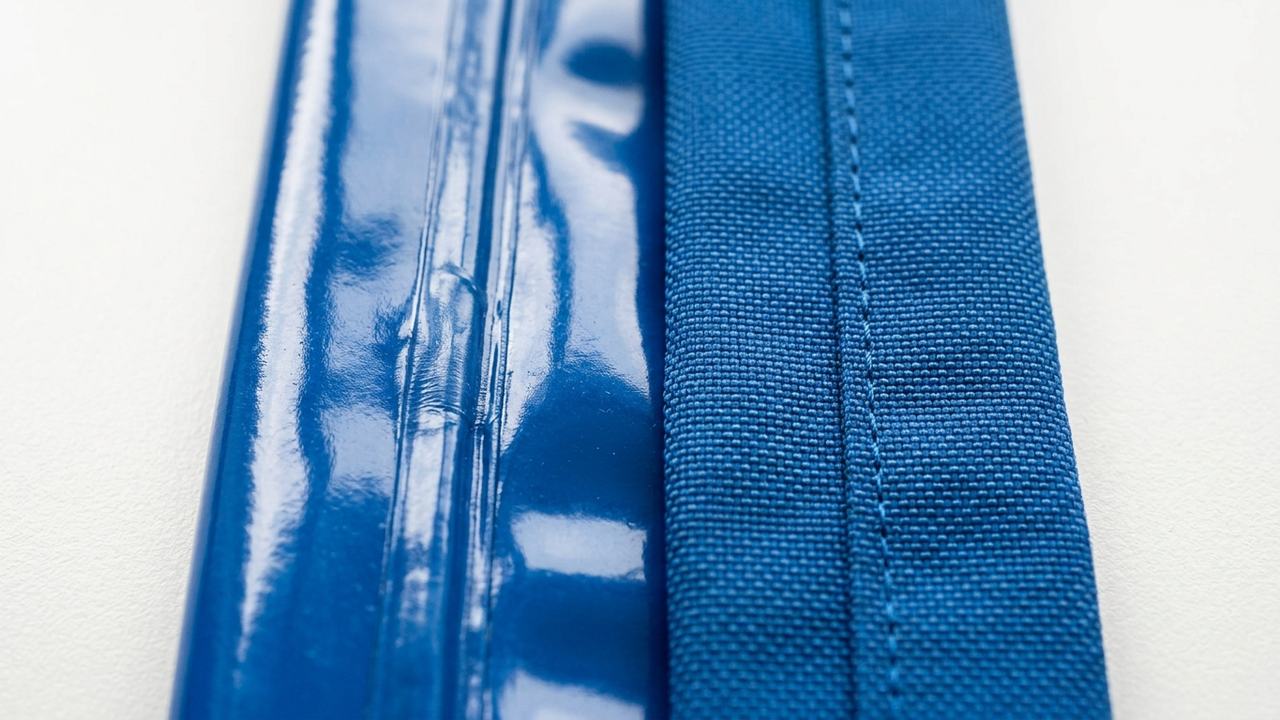
PVC (polyvinyl chloride) vinyl is the industry standard for commercial-grade inflatables. Most manufacturers use 0.55mm PVC vinyl for the main body, with reinforced 0.9mm PVC on high-stress areas like slide beds and landing zones.
Key properties:
- Durability: PVC handles heavy, repeated use. Commercial 0.55mm PVC can withstand 3,000+ rental cycles when properly maintained.
- Water resistance: Fully waterproof. PVC is the only practical choice for water slides, splash pools, and any wet-use inflatable.
- UV resistance: Quality PVC includes UV stabilizers that prevent cracking and color fade over 3–5 years of outdoor use.
- Seam strength: PVC seams are heat-welded (not stitched), creating bonds that are often stronger than the material itself.
- Repair: PVC patches bond cleanly with vinyl cement. Field repairs take 10–15 minutes and hold for years.
Limitations:
- Weight: A standard 15x15 PVC bounce house weighs 250–350 lbs. Setup requires at least two people, and your delivery vehicle needs the payload capacity.
- Cost: PVC units typically cost 15–25% more than equivalent Oxford cloth models.
- Cold weather: PVC stiffens below 40°F (4°C). Folding or inflating in cold conditions risks cracking at seam lines.
Best for: Water-use inflatables, high-volume rental fleets (5+ rentals per week), hot or wet climates, operators who prioritize unit longevity over upfront cost.
Oxford Cloth (Nylon): What It Is and Where It Excels
Oxford cloth — typically 420D or 840D nylon with a PU (polyurethane) coating — is the other major option. It is lighter, more affordable, and increasingly popular among newer rental operators building their first fleet.
Key properties:
- Weight: An Oxford cloth bounce house weighs 30–40% less than a PVC equivalent. A 15x15 unit comes in around 150–220 lbs, making one-person delivery feasible for smaller models.
- Cost: Lower material and manufacturing costs translate to 15–25% savings at purchase.
- Flexibility: Oxford cloth stays pliable in cooler temperatures, making it easier to fold, pack, and store.
- Color vibrancy: The nylon weave holds bright, saturated colors well — a visual advantage when your inflatables are photographed for marketing.
Limitations:
- Water use: Oxford cloth is water-resistant, not waterproof. Extended wet use degrades the PU coating over 1–2 seasons. Not recommended for water slides or splash applications.
- Seam construction: Oxford cloth seams are stitched, then sealed. Stitched seams are the most common failure point under heavy commercial use.
- Abrasion resistance: Nylon wears faster on high-friction surfaces — slide beds, entry ramps, and bounce floors show wear sooner than PVC equivalents.
- Lifespan: Expect 2–3 years of heavy commercial use (vs 3–5 years for PVC), depending on rental frequency and maintenance.
Best for: Dry-use rentals, operators scaling on a budget, markets with fewer than 4 rentals per week per unit, cooler climates where cold-weather flexibility matters.
Head-to-Head Comparison
| Factor | PVC Vinyl (0.55mm) | Oxford Cloth (420D/840D) |
|---|---|---|
| Weight (15x15 unit) | 250–350 lbs | 150–220 lbs |
| Water use | Fully waterproof | Water-resistant only |
| Commercial lifespan | 3–5 years | 2–3 years |
| Upfront cost | Higher (15–25% premium) | Lower |
| Seam type | Heat-welded | Stitched + sealed |
| Field repair | Easy (vinyl cement + patch) | Moderate (sewing + sealant) |
| Cold weather performance | Stiffens below 40°F | Stays flexible |
| UV resistance | High (with stabilizers) | Moderate |
| Abrasion resistance | High | Moderate |
| Best use case | Water inflatables, high-volume fleets | Dry bouncer rentals, starter fleets |
Which Material Fits Your Business Model?
Material choice is not about which is “better” — it is about which matches your operation.
Choose PVC vinyl if:
- You offer water slides, splash parks, or any wet-use inflatables
- Your units go out 5+ times per week during peak season
- You are building a fleet meant to last 4+ years with minimal replacement
- Repair turnaround matters — you need to patch and redeploy fast
Choose Oxford cloth if:
- Your business focuses on dry bounce house rentals and party packages
- You are a new operator keeping startup costs low while building clientele
- You handle delivery solo or with one helper — weight savings matter
- Your market is seasonal with under 200 rental days per year
Mix both: Many established operators run a mixed fleet. PVC for water units and high-use weekend inventory. Oxford cloth for weekday bookings, smaller events, and backup units. This strategy optimizes both cost and durability across your rental calendar.
For guidance on maintaining either material type to extend unit life, see our inflatable repair and maintenance playbook. And if you are weighing commercial vs residential grade for your first purchase, our commercial vs residential comparison breaks down the cost and durability differences.
The Bottom Line
PVC vinyl is the workhorse material for commercial inflatables — heavier, more expensive, but built to earn rental revenue for years. Oxford cloth is the lighter, more affordable option that works well for dry-use fleets and budget-conscious startups.
Neither material is universally superior. The right choice depends on what you rent, how often you rent it, and how long you need each unit to last. If your operation includes any water-use inflatables, PVC is non-negotiable. If you run a dry-rental business and need to scale fast on limited capital, Oxford cloth gets you there.
Most successful rental businesses end up using both.
Ready to Add This to Your Fleet?
Ginflatables builds commercial-grade inflatables to spec for rental operators and event businesses.