
Inflatables
Aquatic Center & Swim School Inflatables: Pool Obstacle Courses, Float Nights & Revenue Programming
Aquatic Centers Are a Different Buyer Than a Backyard Pool Rental
A municipal aquatic center or a swim school doesn't buy inflatables the way a residential pool owner or a party rental company does. Purchases go through a parks-and-rec or facilities budget, get evaluated against lifeguard staffing ratios and ADA access requirements, and are expected to generate programming revenue over multiple seasons, not just look good for one event. Operators who understand this buying context — and who can speak to programming revenue instead of just product specs — win the multi-year facility contracts that a generic pool-toy pitch never reaches.
Pool Obstacle Courses: The Equipment, Programmed Differently
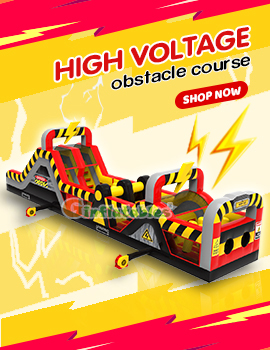
The physical equipment for an aquatic center obstacle course doesn't differ much from what a hotel pool or water park runs — our pool obstacle course guide covers sizing, anchoring, and construction specs that apply here too. What changes is the programming: aquatic centers run obstacle courses as scheduled open-swim sessions rather than always-on attractions, which means the course needs to set up and strike within a single staff shift, and needs a capacity limit that matches lifeguard-to-swimmer ratios rather than maximum throughput.
Float Night: A Recurring Revenue Program, Not a One-Off Rental
Float night — a scheduled evening session where a pool fills with inflatable floats for open, unstructured swim time — is one of the most consistent revenue programs municipal and community pools run, and it's built almost entirely around rental inflatables rather than fixed equipment. The format works because it's low-supervision-overhead relative to lap swim or lessons (floats keep swimmers in defined zones, reducing horseplay and making lifeguard sightlines easier to manage) while charging a premium ticket price over standard open-swim admission.
A workable float night fleet doesn't need to be large: 15-25 assorted floats (rings, mats, loungers, and a few larger multi-person platforms) covers a mid-size community pool, with the larger multi-person pieces doing double duty as photo-op anchors that drive repeat attendance. Our commercial pool float fleet buying guide covers sizing and durability specs for exactly this kind of rental fleet.
Swim School Programming: Inflatables as a Lesson-Structure Tool, Not Just Play Equipment
Swim schools use inflatables differently again — less as standalone attractions and more as structural tools within a lesson plan. A small inflatable obstacle element gives beginner swimmers a graduated confidence-building task (climb, balance, jump) in water shallow enough for an instructor to stand in, and a float platform gives a rest point during longer lesson blocks for younger swimmers who tire quickly. This use case favors smaller, easily-repositioned pieces over the large multi-lane courses built for open recreational swim, since the equipment has to move in and out of the pool between back-to-back lesson blocks without eating into instructional time.
Staffing and Supervision: The Number That Actually Limits Capacity
The single biggest constraint on aquatic center inflatable programming isn't equipment cost, it's lifeguard staffing ratios. Most facilities run inflatable sessions at a lower swimmer-to-lifeguard ratio than standard open swim, since obstacle courses and float fields reduce sightline clarity and increase the chance of a swimmer needing help in a crowded zone. Before committing to an equipment purchase, confirm your facility's ratio requirement for inflatable programming specifically (it's often set separately from standard pool ratios in state health codes), since that number — not pool square footage — usually determines how many participants a session can actually hold.
Revenue Model: Ticketed Sessions vs. Included Amenity
Facilities run inflatable programming under two different revenue models. Ticketed sessions (a float night or obstacle course hour sold as a separate add-on ticket above standard admission) generate direct incremental revenue and are the more common model for municipal and community pools looking to fund the equipment purchase itself. Included-amenity model (inflatables run during standard open-swim hours at no extra charge) doesn't generate direct revenue but is used by swim clubs and private aquatic centers as a member-retention and enrollment differentiator — the inflatable programming is the reason a family chooses one facility's membership over a competitor's. Knowing which model your facility is running before you buy changes the equipment calculus: a ticketed program justifies a larger capital purchase against a clear revenue line, while an included-amenity program is better served by a smaller, lower-maintenance fleet.
Storage and Seasonal Turnaround Between Programs
Aquatic centers running multiple programs off one inflatable fleet (float night Friday, lesson-support equipment during the week, obstacle course for a Saturday open swim) need faster turnaround between uses than a single-purpose rental fleet, which puts a premium on equipment that deflates, dries, and stores quickly rather than equipment optimized purely for durability under constant use. Facilities operating indoor pools year-round should weight quick-turnaround construction even higher, since there's no off-season storage period to catch up on maintenance.
Browse our commercial pool inflatables and water games catalog for equipment suited to aquatic center and swim school programming across obstacle courses, float fleets, and lesson-support pieces.
Building a Program for Your Facility?
Ginflatables builds commercial pool inflatables and float fleets to commercial-grade specs for aquatic centers, swim schools, and municipal pool programs.